Lvobo
Trang chủ Tin tức

When the Laboratory Wants Fewer Surprises: Why a Low-Temperature Thermostatic Magnetic Stirring Bath Matters

When the Laboratory Wants Fewer Surprises: Why a Low-Temperature Thermostatic Magnetic Stirring Bath Matters

Aug 21, 2026

A reaction is halfway through when the temperature begins to drift. The liquid in the beaker is not mixing as evenly as expected. Another operator repeats the same procedure the following day, but the result is slightly different.

These are not dramatic failures. They are the small, familiar problems that quietly consume laboratory time.

Modern laboratories are therefore asking for more than equipment that can simply “get cold.” They need temperature, stirring and circulation to remain stable enough for experimental conditions to be recorded, repeated and eventually scaled.

Automation is making stable control more important—not less

In April 2026, Nature Synthesis published research on RoboChem-Flex, a modular self-driving laboratory that combines real-time hardware control with optimization software. The platform reflects a broader direction in chemistry: laboratories are becoming more automated, but automation still depends on reliable equipment to execute each temperature, time and material-handling instruction consistently. 

A separate 2025 study on highly parallel reaction optimization treated the available temperature-control wells as a practical constraint on experimental design. An algorithm may select promising conditions quickly, but repeatable chemistry still depends on hardware that can hold and reproduce those conditions. 

This is where a low-temperature thermostatic magnetic stirring bath becomes valuable. It may not be the most eye-catching instrument in the laboratory, but it often protects one of the most important variables in an experiment: the temperature window.

Temperature control, mixing and circulation in one system

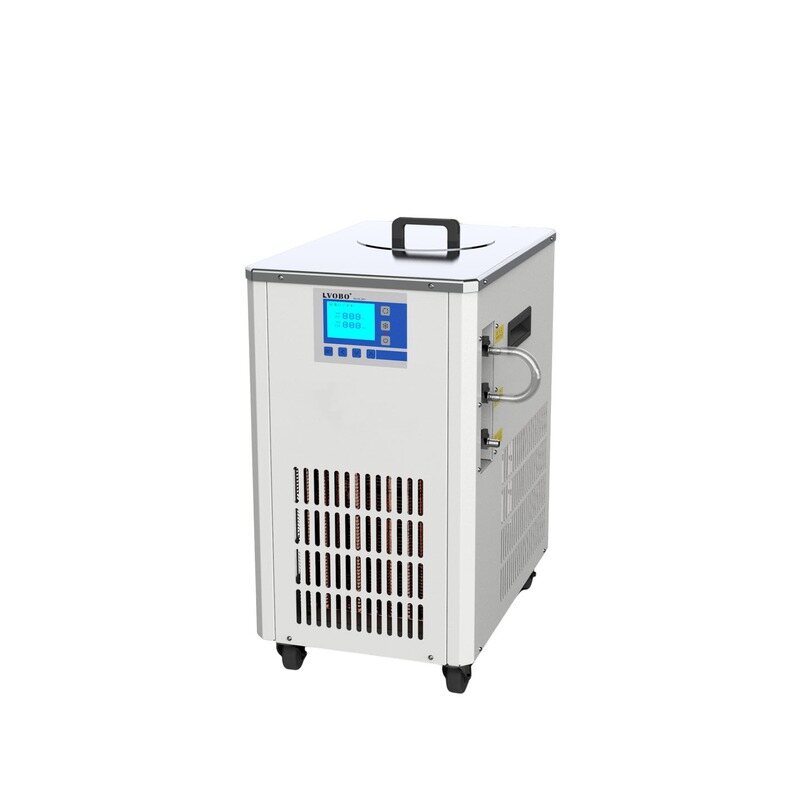
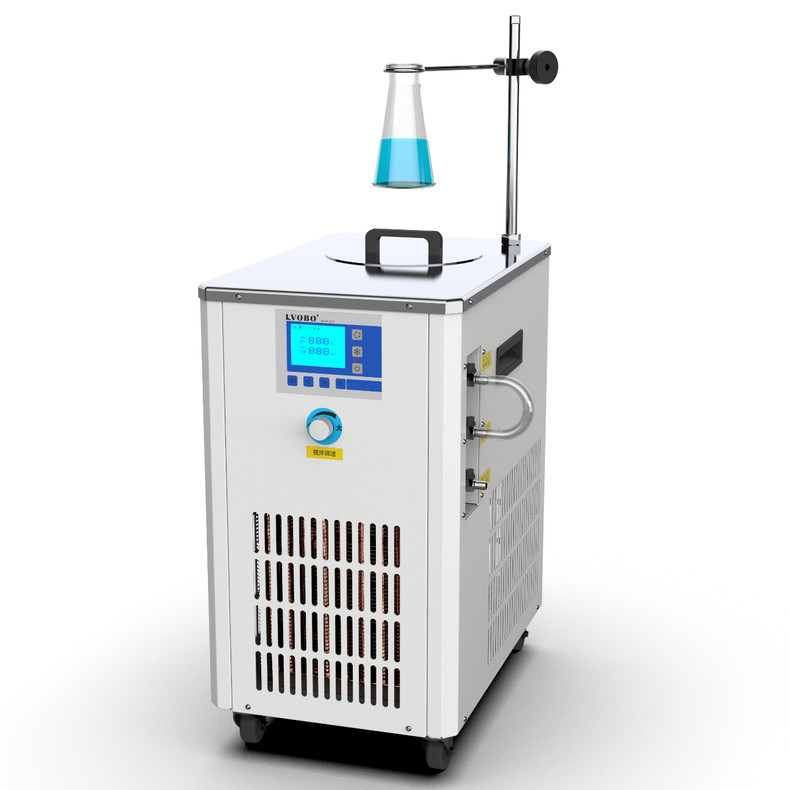
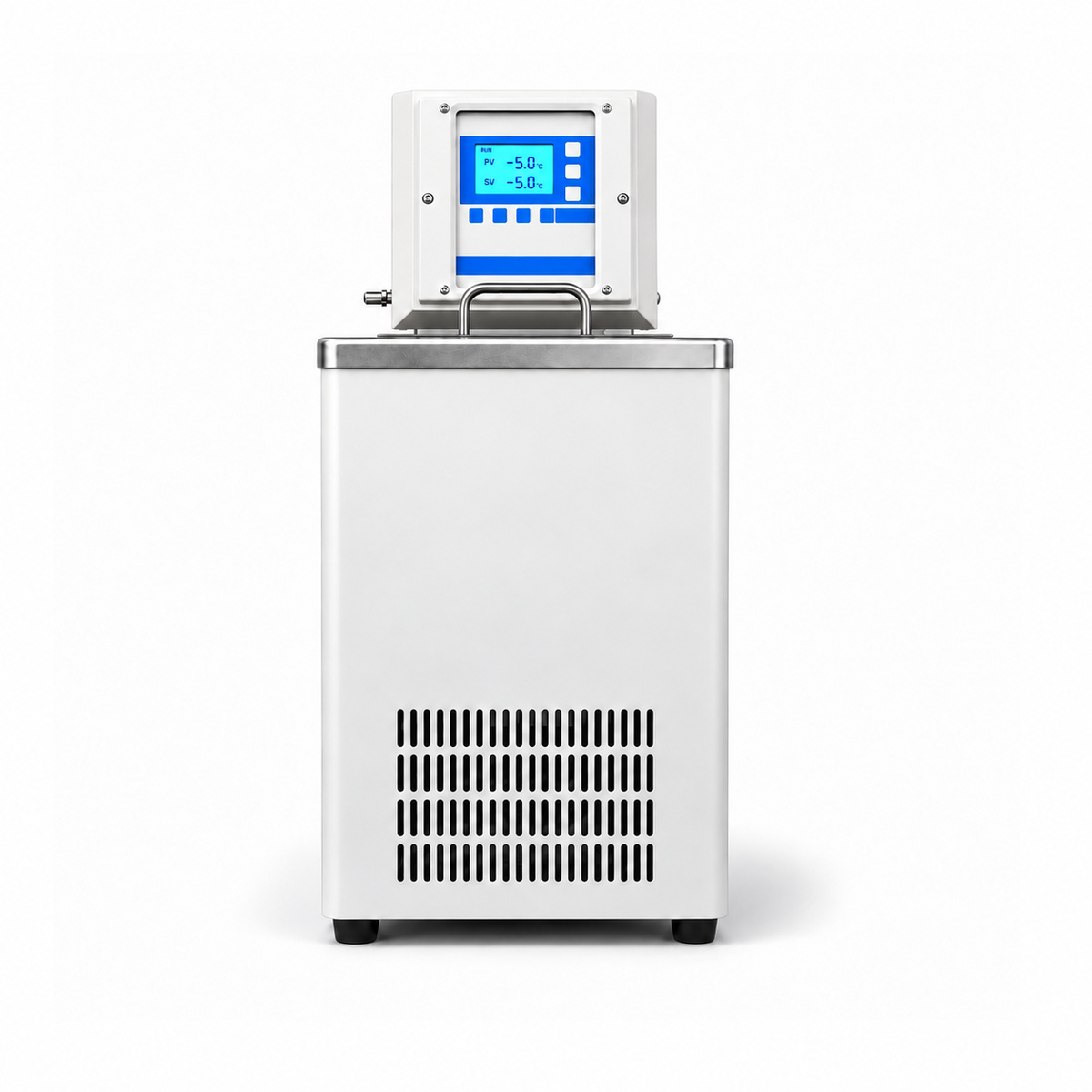
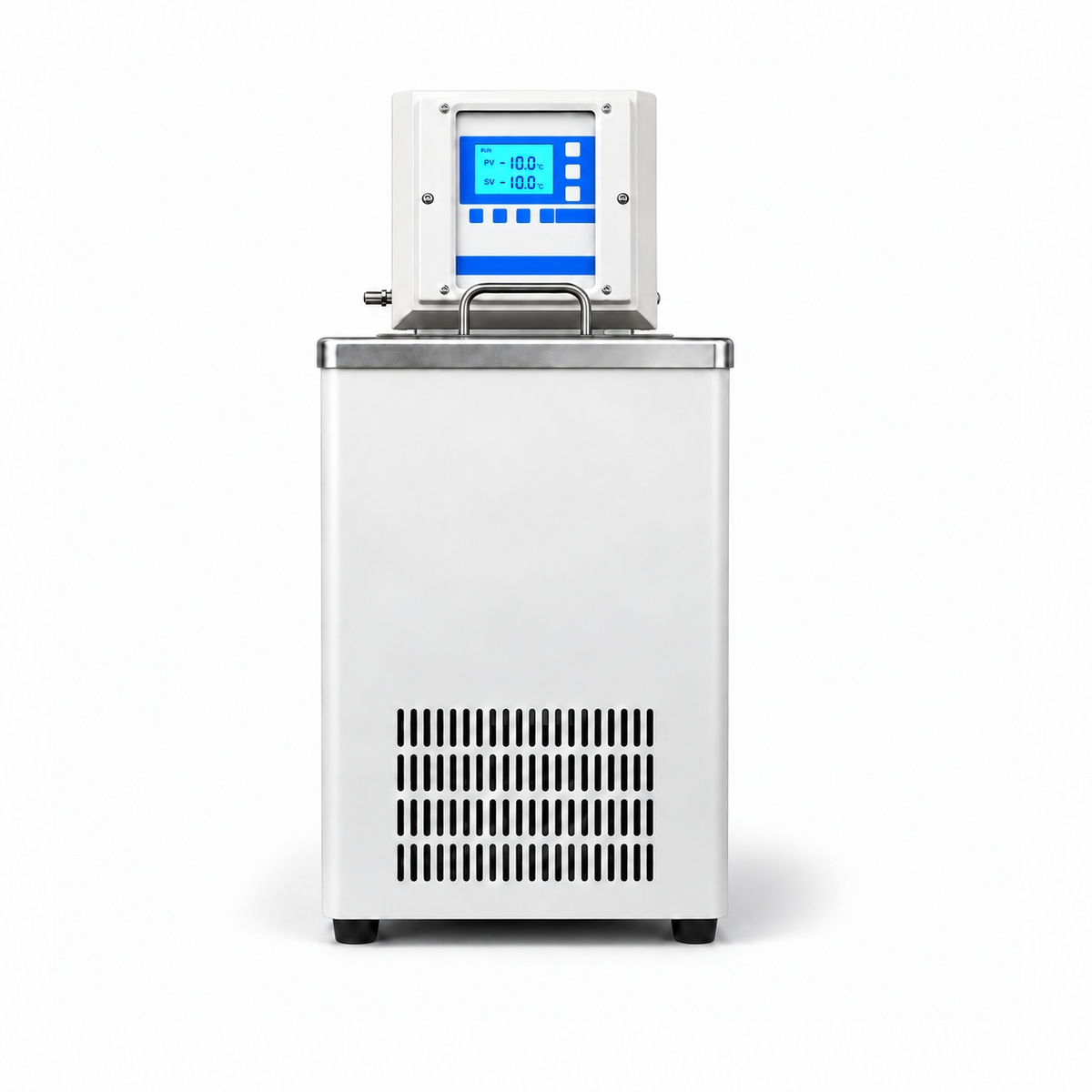
The BO-DFY Low-Temperature Thermostatic Magnetic Stirring Reaction Bath combines heating, refrigeration, magnetic stirring, and internal and external circulation in one laboratory unit.

Its PID temperature controller works with a high-precision sensor to maintain temperature fluctuation within ±0.1°C. A bright LCD panel allows the operator to view and adjust operating conditions directly.

Magnetic stirring helps create a more uniform reaction environment without placing a motor-driven stirring shaft directly into the sample. This can simplify the setup and reduce potential contamination associated with mechanical stirring components.

The series uses durable stainless-steel baths and offers capacities from 5 L to 120 L. Internal circulation helps equalize the bath temperature, while external circulation can deliver temperature-controlled fluid to compatible external laboratory equipment.

For beaker-based work, an optional lifting support can be installed inside the bath to adjust the working height. This option is intended for use with beakers and should not be presented as support for unrelated reaction-vessel configurations.

The lowest temperature is not the only specification that matters

A number printed in a specification table cannot describe the entire cooling process. Ambient temperature, sample heat load, circulation medium, vessel size and operating duration can all affect cooling speed and temperature stability.

Below 0°C, ordinary water should not be used directly as the circulation medium. The fluid must be selected according to the intended temperature zone and confirmed before ordering.

The listed cooling capacities represent adjustable operating ranges. Actual performance remains dependent on the model, working temperature, ambient conditions and applied heat load.

Refrigeration regulations are also becoming more relevant to international purchasing. The EU F-gas Regulation (EU) 2024/573 began applying in March 2024 and introduced stricter requirements covering fluorinated refrigerants, equipment and lifecycle management. European Commission figures show that EU HFC supply fell by 45% between 2015 and 2024. Buyers are consequently paying closer attention to refrigerant selection, serviceability and local compliance—not only the minimum temperature printed in a catalogue. 

This industry development does not mean that every BO-DFY configuration automatically meets the requirements of a particular market. Refrigerant type, electrical supply and equipment configuration should be confirmed for the destination country before purchase.

Real efficiency begins with repeatability

Good laboratory temperature-control equipment should not make an experiment feel more complicated. Its job is to reduce the time spent watching the thermometer, correcting uneven mixing or repeating a run because the conditions drifted.

For fine chemical processing, materials research, pharmaceutical development, sample preparation and other temperature-sensitive laboratory work, the BO-DFY provides a centralized approach: adjustable temperature, controllable magnetic stirring, internal and external circulation, and over-temperature protection with alarm and automatic power cut-off.

Before choosing a model, it is useful to define the required minimum temperature, bath capacity, estimated heat load, circulation fluid, vessel dimensions and whether external circulation is needed.

Those details usually lead to a better selection than simply choosing the model with the lowest temperature rating.


để lại tin nhắn

để lại tin nhắn
Nếu bạn quan tâm đến sản phẩm của chúng tôi và muốn biết thêm thông tin chi tiết, vui lòng để lại tin nhắn ở đây, chúng tôi sẽ trả lời bạn sớm nhất có thể.
nộp

Giờ làm việc của chúng tôi

Thứ Hai - Thứ Bảy: 8:00 sáng - 6:00 chiều
LIÊN HỆ VỚI CHÚNG TÔI :lvobo2026@gmail.com,Ivobo2088@gmail.com

Trang chủ

Các sản phẩm

whatsApp

liên hệ